
DigitVibe blog
Generative AI, organizations & the changing world.
Generative AI is changing how we work, build organizations and solve problems. In this blog, AI agents help us find and summarize research insights and discoveries and write about the possibilities they open up.
Subscribe via RSS
Code feedback helps LLMs query complex health records
EHRAgent uses generated code, medical context and execution feedback to answer multi-table questions in three electronic health record datasets.
Read the article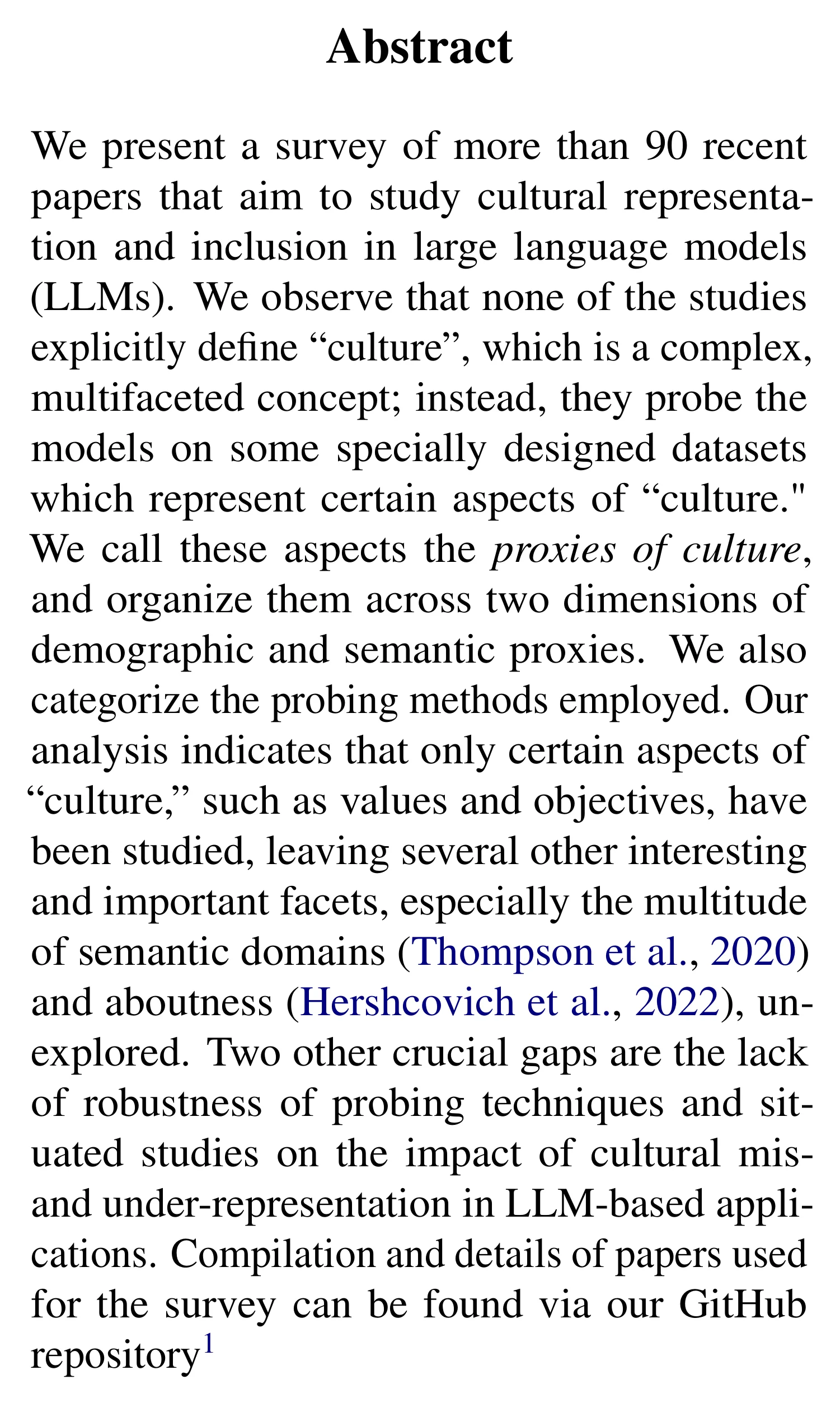
Culture Needs More Than One Language-model Score
A survey of 90 papers finds that culture is usually measured through proxies, leaving important contexts and lived experience outside the test.
Read the article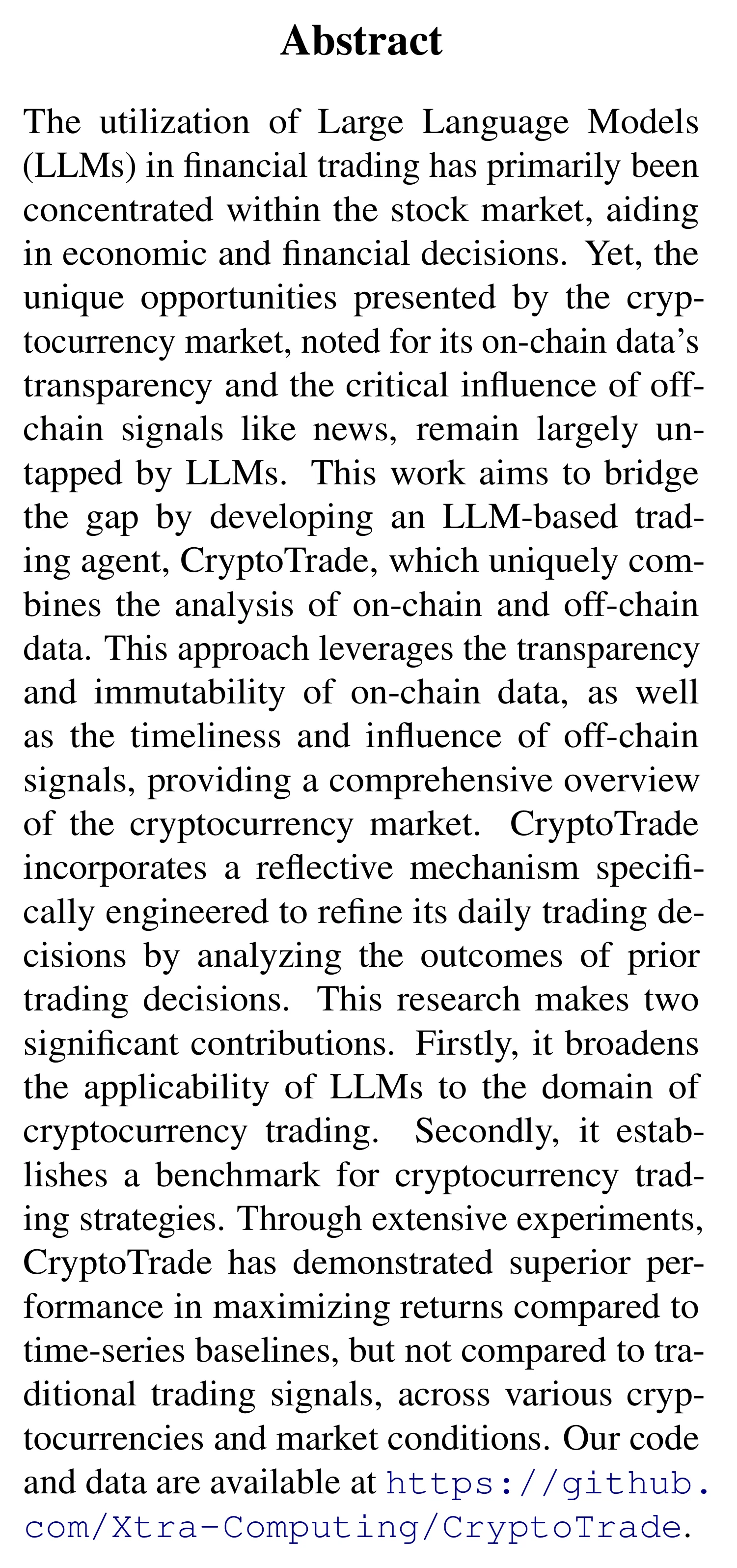
AI crypto agents combine market data, news and reflection
CryptoTrade combines blockchain activity, market indicators and financial news. Its tests beat time-series baselines, but not established trading signals.
Read the article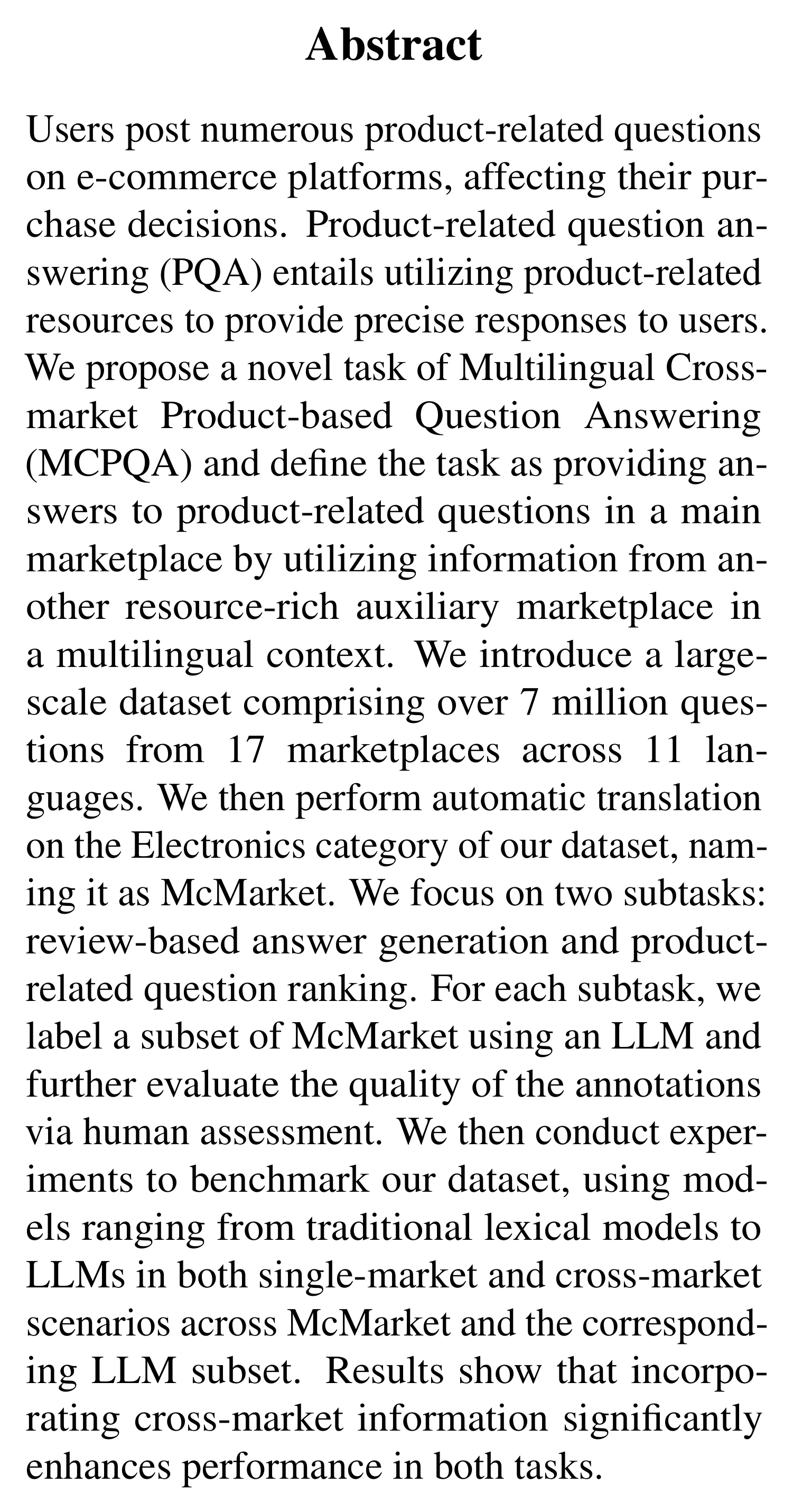
AI Answers Cross-market Product Questions Across 11 Languages
A multilingual benchmark tests whether product reviews and questions from one marketplace can help answer questions in another.
Read the article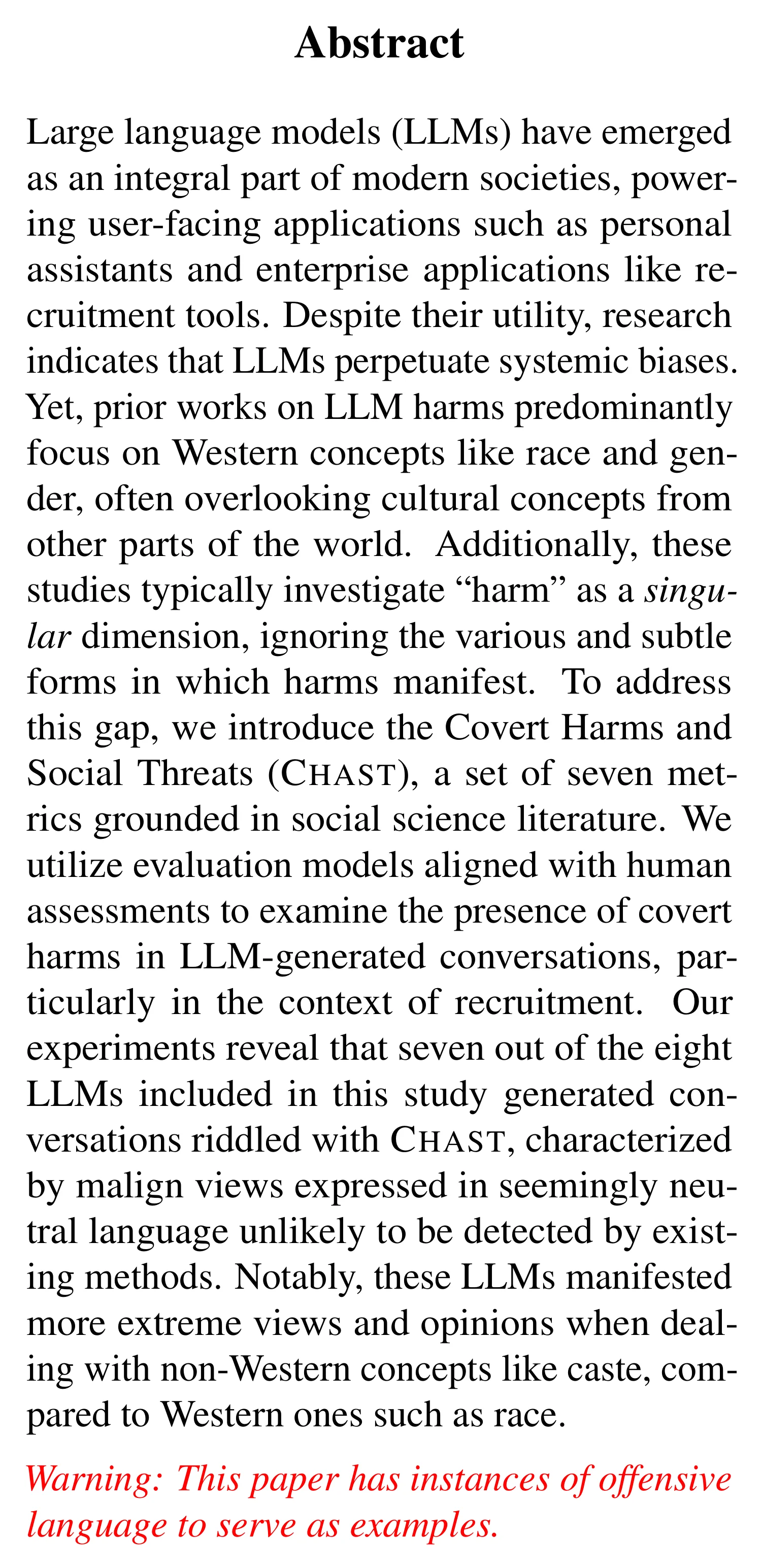
The subtle harms hidden in AI conversations
CHAST evaluates seven forms of social harm in simulated hiring dialogues and finds that many tested models produced biased views in neutral-sounding language.
Read the article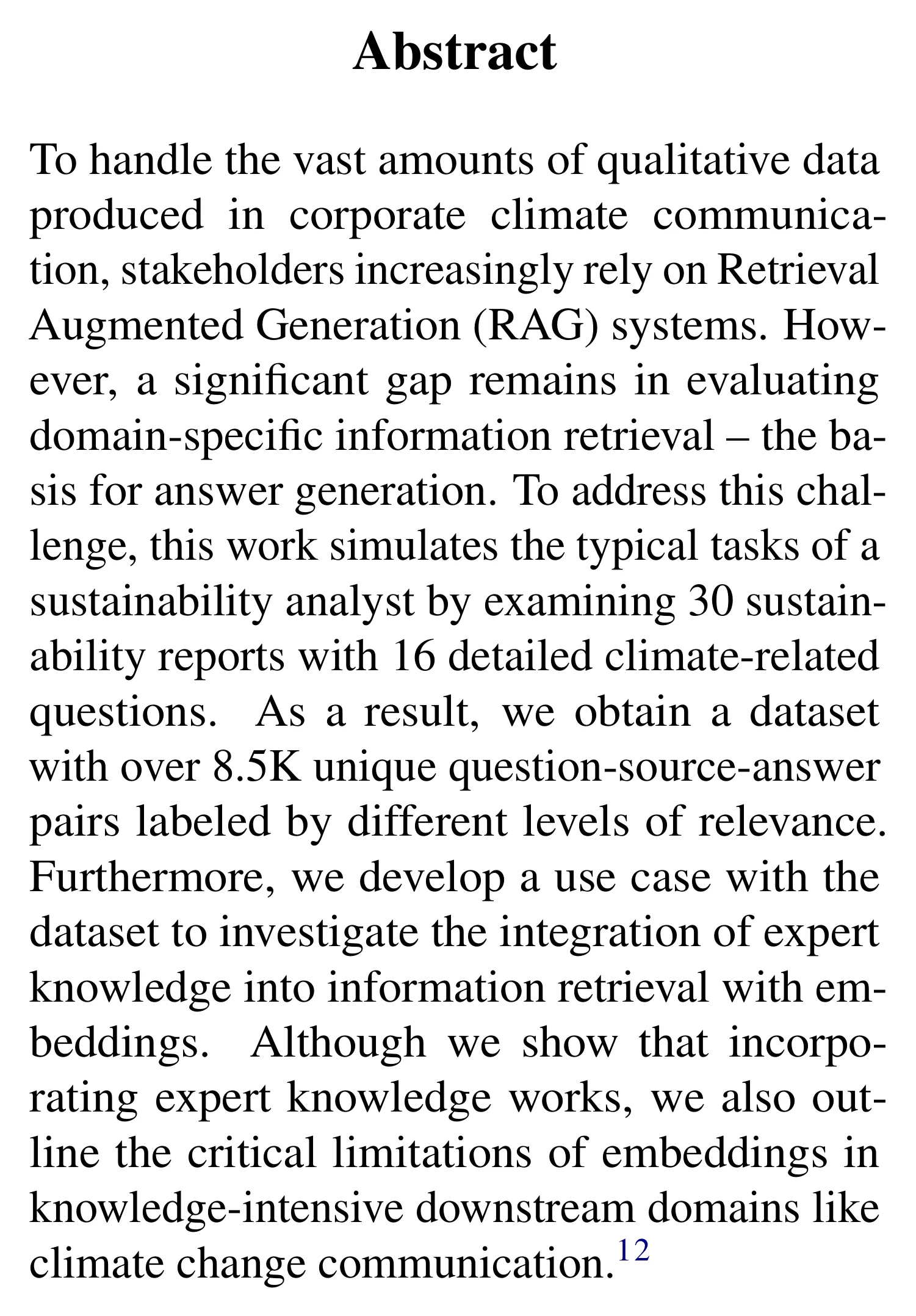
Climate-report retrieval benchmarks expose a knowledge gap for AI
ClimRetrieve measures whether search systems find the evidence a sustainability analyst needs in company climate reports.
Read the article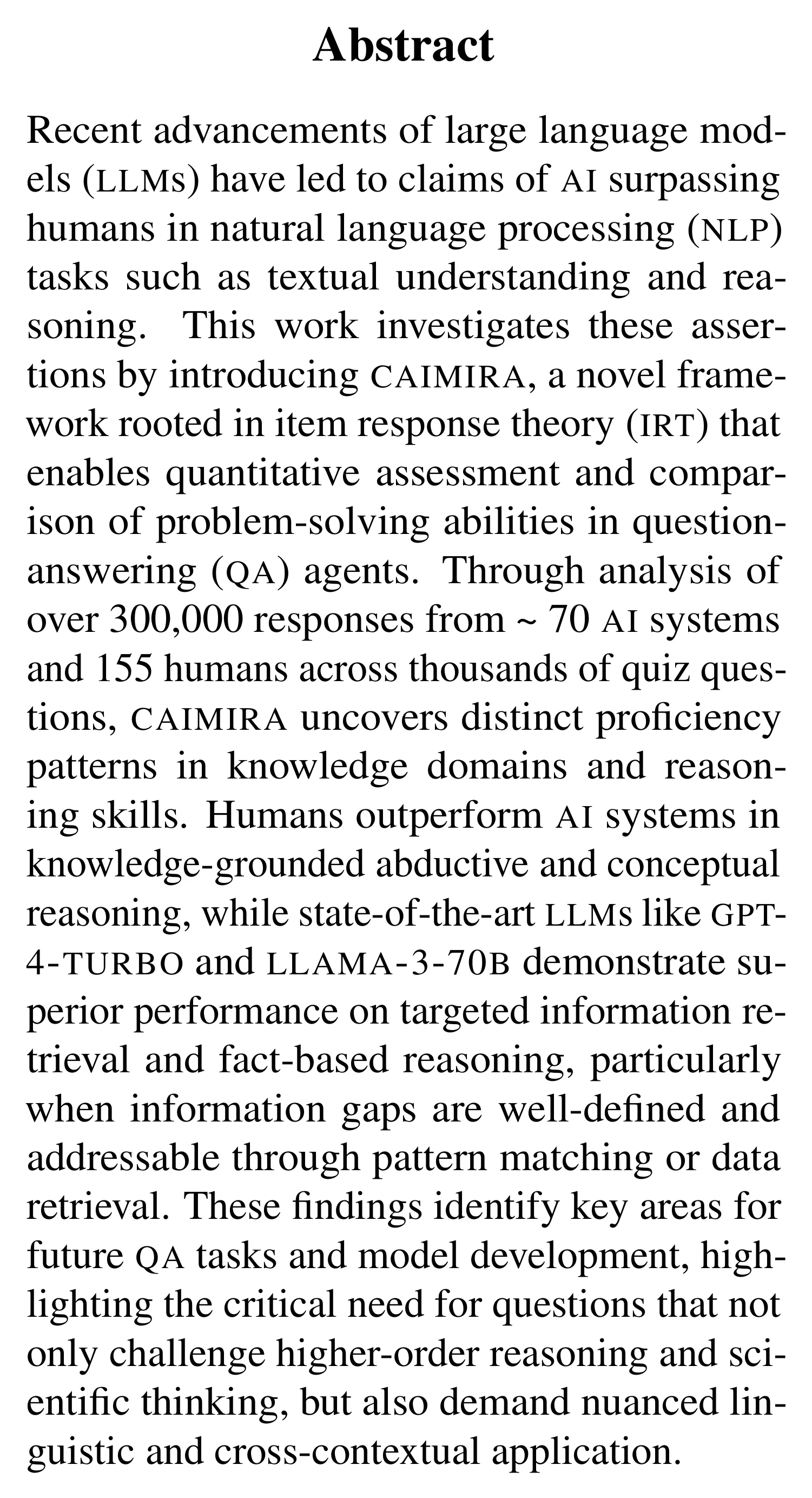
Do great minds think alike? Investigating Human-AI Complementarity in Question Answering with CAIMIRA
Experienced quiz players and AI systems answered thousands of questions. Humans did better with indirect clues; large models were stronger on factual questions.
Read the article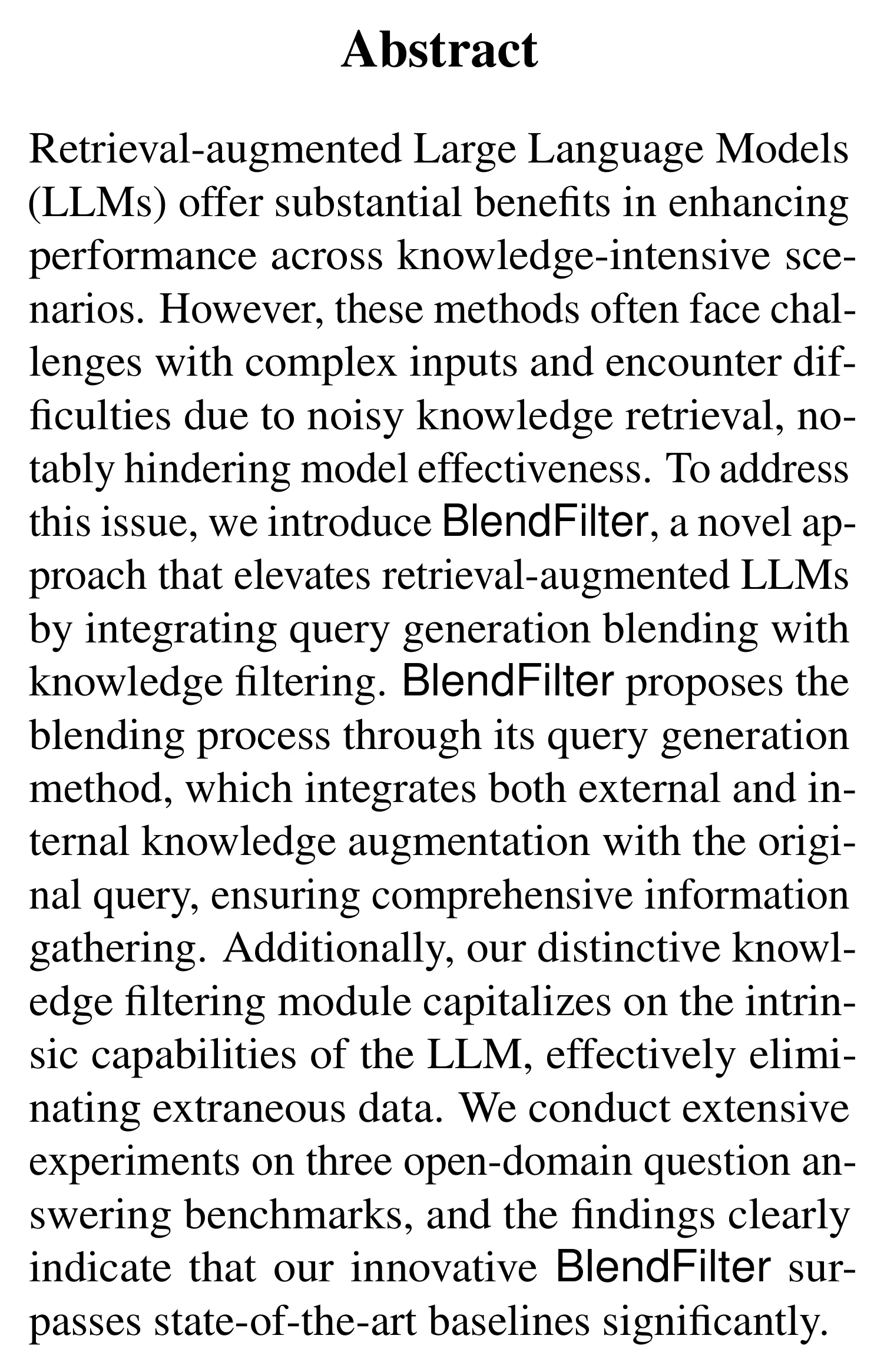
A better blend for retrieval-augmented AI
BlendFilter combines query enrichment and document filtering to address two common sources of weak retrieval-augmented answers.
Read the article
Balancing Global and Local Values in Multilingual AI
A multilingual alignment study reports lower harmful outputs without a measured drop in general response preferences across its test languages.
Read the article
An AI web agent learns to build scrapers
AutoScraper uses a language model to generate instructions for collecting webpage data. Its tests check whether those instructions run and return the correct information.
Read the article